Greenland’s Melting Ice: A Wake-Up Call for Sustainable Living

Published: April 18, 2025

Recent scientific studies have revealed that Greenland’s ice sheet is melting at an unprecedented rate, with projections estimating a loss of up to 1,735 gigatons of ice per year by 2100 if greenhouse gas emissions are not curbed. This alarming trend poses significant risks to coastal areas worldwide, increasing the likelihood of flooding and submersion. (earthisland.org)​

The situation in Greenland serves as a stark reminder of the tangible impacts of climate change. While the scale of the problem may seem overwhelming, individual actions can collectively make a difference.​

What Can We Do?

  • Reduce Carbon Footprint: Opt for public transportation, carpooling, or cycling to decrease greenhouse gas emissions.​
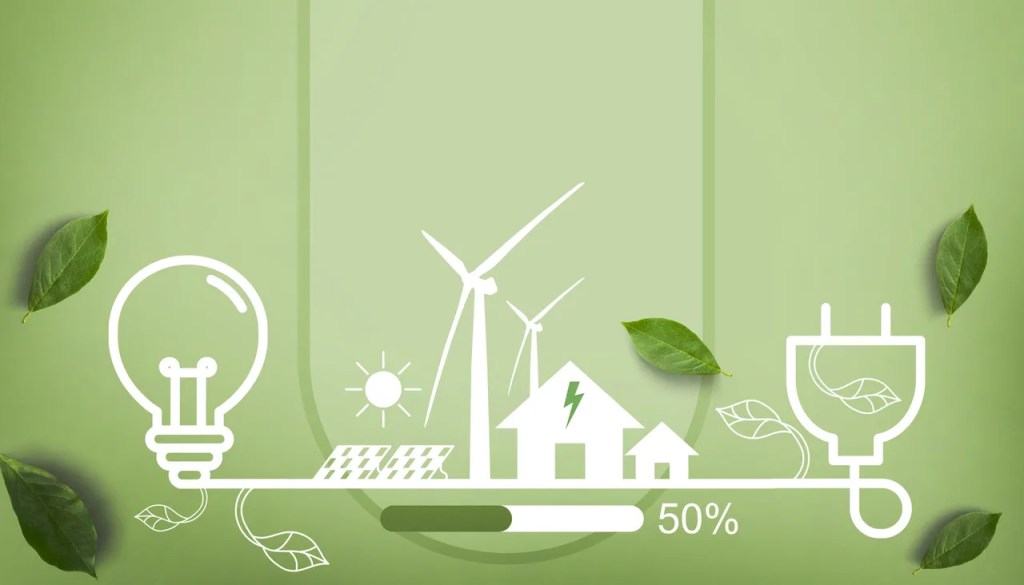
  • Support Renewable Energy: Advocate for and invest in renewable energy sources like solar and wind power.​
  • Conserve Energy: Implement energy-saving practices at home, such as using energy-efficient appliances and insulating your home properly.​
  • Educate and Advocate: Stay informed about environmental issues and support policies aimed at combating climate change.​

By making conscious choices in our daily lives, we can contribute to the global effort to mitigate climate change and protect our planet for future generations.​

Join the Conversation

We’d love to hear your thoughts on sustainable living and how you’re making a difference. Share your experiences and ideas in the comments below!​

The Rise of Plant-Based Alternatives in the Food Industry


By Kim Patrick

A Sustainable Shift

In recent years, the food industry has saw a remarkable transformation driven by a growing awareness of sustainability and health. The rise of plant-based alternatives is not just a trend but a significant shift toward a more sustainable future. As we increasingly become aware of the environmental impacts of traditional agriculture and meat production, plant-based foods have emerged as a viable solution to reduce our carbon footprint and promote overall well-being.

Why the Buzz About Plant-Based Alternatives?

Plant-based alternatives are shaking up the food industry with innovative products that cater to a wide range of tastes and dietary preferences. From dairy-free milk and cheese to meatless burgers and sausages, these alternatives are designed to replicate the taste and texture of their animal-based counterparts while offering numerous benefits.

Environmental Impact

The environmental advantages of plant-based foods are significant. Producing plant-based products typically requires less water, reduces greenhouse gas emissions, and minimizes land use compared to traditional animal farming. This shift helps combat climate change and promotes the conservation of natural resources.

Health Benefits

Plant-based diets are often associated with many health benefits. They are rich in vitamins, minerals, and antioxidants, which contribute to better heart health, improved digestion, and a lower risk of chronic diseases. Many people find that incorporating plant-based alternatives into their diets helps them maintain a balanced and nutritious lifestyle.

Innovation and Accessibility

The surge in plant-based alternatives has spurred innovation across the food industry. Companies are constantly developing new and improved products that make it easier for consumers to transition to plant-based diets. As technology advances, these products are becoming more accessible and affordable, making it easier for everyone to make sustainable food choices.

What’s Next?

The future of plant-based alternatives looks promising. With ongoing research and development, we can expect even more exciting and diverse options on the market. Whether you’re a seasoned vegan or simply looking to reduce your environmental impact, embracing plant-based alternatives is a step toward a more sustainable and healthier lifestyle.

Join the Movement

As the plant-based revolution continues to gain momentum, now is the perfect time to explore and enjoy the wide array of plant-based options available. By making informed choices, we can contribute to a more sustainable food system and a healthier planet.

Let Us Know What You Think

We’d love to hear your thoughts on the rise of plant-based alternatives and their impact on our world. Share your experiences and favorite products in the comments below!


  1. Unknown's avatar

The Art of Upcycling: Transforming Waste into Treasures

By Kim Patrick

Welcome to the fascinating realm of upcycling, where sustainability meets creativity in a harmonious dance of ingenuity and resourcefulness. In this article, we delve into the captivating world of upcycling, where discarded materials find new life as unique and valuable creations. With a focus on reducing waste and promoting sustainable living, upcycling empowers individuals to reimagine possibilities and craft a more environmentally-conscious future.

Embracing Creativity and Sustainability:

At its core, upcycling is an art that embraces resourcefulness and creativity. It challenges us to see the potential in seemingly ordinary objects and transform them into extraordinary treasures. By repurposing materials, we not only reduce waste but also showcase the beauty of imperfection and individuality. From revitalizing old furniture to designing eye-catching decor, upcycling empowers us to become artists of sustainability.

Inspiring “Found Art”:

One of the most remarkable facets of upcycling is the concept of “found art.” Talented artists and crafters turn abandoned items into stunning masterpieces, captivating the imagination and inspiring us to look at waste in a new light. By celebrating the unexpected beauty in discarded materials, found art showcases the power of creativity and serves as a powerful reminder of the potential for transformation.

Sustainable Gifting:

Upcycling extends its charm to the realm of gifting, where heartfelt presents come with a story. Rather than purchasing mass-produced items, we can create personalized gifts that carry sentimental value and environmental consciousness. The act of gifting becomes an expression of care for both the recipient and the planet, as we turn ordinary objects into cherished mementos.

Revolutionizing Fashion:

In the world of sustainable fashion, upcycling reigns supreme. Thrifting and revamping old clothes not only give our wardrobe a fresh, unique flair but also contribute to a circular fashion economy. By embracing upcycled fashion, we break away from fast fashion’s wasteful cycle and become conscious consumers, making ethical choices that support a healthier planet.

The Ripple Effect of Sustainable Actions:

Every upcycled creation carries a ripple effect that extends beyond its physical form. By engaging in upcycling, we participate in a movement towards a more sustainable and environmentally-friendly society. Our small actions have a significant impact, inspiring others to follow suit and sparking conversations about the importance of conscious consumption.

Final Thoughts

The art of upcycling celebrates our ability to see value where others might see waste, offering a pathway to a greener and more sustainable world. As we embark on this creative journey, let us embrace the beauty of upcycling, transforming waste into treasures that not only enrich our lives but also protect and preserve our planet for generations to come. Together, let’s weave the threads of creativity and sustainability into a tapestry of hope and possibility.

DIY Guide: Build Your Own Homemade Compost System for Sustainable Gardening

By Kim Patrick

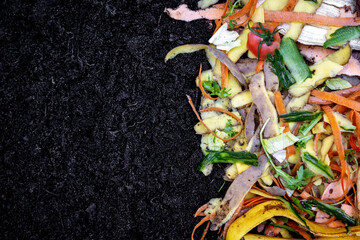
Welcome to our step-by-step guide on creating your very own homemade compost system! Composting is a fantastic way to turn your kitchen scraps and yard waste into nutrient-rich soil for your garden. By building your compost system, you reduce waste and promote sustainable gardening practices. Let’s get our hands dirty and embark on this rewarding journey of composting!

Section 1: Materials Needed

To begin, gather the following materials

  • Compost bin or container: Choose a size that suits your available space and composting needs. It can be a purchased bin or repurposed container like a wooden crate or large plastic tub.
  • Carbon-rich materials (brown materials): Collect dry leaves, straw, shredded paper, cardboard, wood chips, or sawdust. These provide the carbon element in the compost.
  • Nitrogen-rich materials (green materials): Save vegetable scraps, fruit peels, coffee grounds, tea leaves, grass clippings, or plant trimmings. These contribute nitrogen to the compost.
  • Water: Ensure access to a water source for maintaining proper moisture levels.
  • Aeration tool: Use a pitchfork, garden fork, or compost-turning tool to aerate the compost pile.
  • Compost thermometer (optional): A thermometer helps monitor the internal temperature of the compost.

Section 2: Setting Up Your Compost Bin

  1. Choose a suitable location: Find a spot in your yard with partial sunlight and proper drainage.
  2. Prepare the base: Lay a layer of twigs or small branches at the bottom of your compost bin. This base creates airflow and helps prevent the pile from becoming waterlogged.
  3. Layering the materials: Alternate between carbon-rich and nitrogen-rich materials, creating a balanced ratio of roughly three parts carbon to 1 part nitrogen. Aim for layers that are around 6-8 inches thick.
  4. Maintaining moisture: Keep the compost moist but not soaked. Sprinkle water as needed to achieve a watery sponge-like consistency.
  5. Aeration: Turn the compost regularly to introduce oxygen and facilitate decomposition. Aim to turn the pile every 1-2 weeks, mixing the outer materials into the center.

Section 3: What to Compost

Include the following in your compost pile

  • Carbon-rich materials: Dry leaves, straw, shredded paper, cardboard, wood chips, sawdust, or dried garden waste.
  • Nitrogen-rich materials: Vegetable scraps, fruit peels, coffee grounds, tea leaves, grass clippings, or plant trimmings.
    Avoid composting meat, dairy products, oily or greasy items, diseased plants, weeds with mature seeds, and pet waste.

Section 4: Troubleshooting and Maintenance

  • Monitoring: Regularly check the temperature and moisture level of your compost. Aim for a temperature range of 120-160°F (49-71°C). Adjust moisture and aeration as necessary.
  • Troubleshooting: Address any issues such as foul odors or slow decomposition. Ensure the carbon-to-nitrogen ratio is balanced and the pile is adequately aerated and moistened.
  • Harvesting the compost: After several months, your compost will transform into dark, crumbly humus. Harvest it by sifting out any remaining materials. Use the finished compost to enrich your garden soil.

My Final Thoughts
Congratulations on building your own homemade compost system! By composting at home, you reduce waste, promote sustainable gardening practices, and nourish your plants with nutrient-rich soil. Enjoy the rewards of this eco-friendly endeavor and watch your garden flourish. Remember, sustainable living starts with small actions like composting. Together, we can make a positive impact on our environment and promote change!

Embracing Seasonal Flavors: A Sustainable Veggie Delight

By Kim Patrick

Greetings, fellow readers! Welcome to yet another exciting adventure in the realm of our GreenSoulVibes blog, where we celebrate sustainable living and explore the beauty of seasonal eating. Today, we’re delighted to share a delicious recipe that embodies the essence of sustainability – Seasonal Veggie Delight with Herb-infused Quinoa. This dish is a celebration of vibrant flavors and highlights the importance of choosing locally sourced, seasonal produce for a more sustainable and eco-friendly lifestyle. Let’s dive into this mouthwatering recipe and discover how it can be a delightful addition to your sustainable culinary journey.

Deliciously sustainable: A feast for both the taste buds and the planet.

Recipe: Seasonal Veggie Delight with Herb-infused Quinoa

Ingredients:

– 1 cup quinoa, rinsed

– 2 cups vegetable broth

– 1 tablespoon olive oil

– 1 small onion, diced

– 2 cloves garlic, minced

– 1 cup cherry tomatoes, halved

– 1 cup zucchini, sliced

– 1 cup bell peppers, diced

– 1 cup fresh spinach leaves

– 1 tablespoon fresh basil, chopped

– 1 tablespoon fresh parsley, chopped

– Salt and pepper to taste

Instructions:

1. In a medium saucepan, combine the quinoa and vegetable broth. Bring to a boil, then reduce heat to low, cover, and simmer for about 15-20 minutes or until the quinoa is cooked and fluffy.

2. heat the olive oil over medium heat in a large skillet. Add the diced onion, minced garlic, and sauté until fragrant and golden.

3. Add the cherry tomatoes, zucchini, and bell peppers to the skillet. Cook for 5-7 minutes or until the vegetables are tender yet still vibrant in color.

4. Stir in the cooked quinoa, fresh spinach leaves, basil, and parsley—season with salt and pepper to taste. Cook for 2-3 minutes, allowing the flavors to meld together.

5. Remove from heat and serve the seasonal veggie delight warm. Garnish with extra fresh herbs if desired.

6. Bon appétit and enjoy your sustainable culinary creation!

Final Thoughts

With each bite of this Seasonal Veggie Delight with Herb-infused Quinoa, you savor the vibrant flavors, nourish your body, and contribute to a more sustainable planet. By choosing locally sourced, seasonal produce, we reduce our carbon footprint and support local farmers. So, let’s embrace the joys of seasonal eating and savor nature’s delicious flavors. Remember to share your culinary adventures and modifications in the comments below!

Enjoy this nourishing and sustainable recipe, and may it inspire you to explore the wonders of seasonal cooking. Stay tuned for more delectable recipes and sustainable living tips here at GreenSoulVibes. Bon appétit!

Note: Feel free to customize this recipe based on the seasonal produce available in your region. Experiment with different vegetables, herbs, and spices to create your own unique variations.

In Pursuit of Sustainable Steps: The Power of Walking

By Kim Patrick

Embrace the Journey: Step by Step Towards Sustainable Living

Welcome to our blog, where we invite you to embark on a transformative journey through the simple yet profound act of walking. In this article, we will delve into the remarkable benefits of walking and how it intertwines with sustainability, paving the way for a healthier planet and a happier self.

Walking is more than just a mode of transportation; it is a powerful tool for change. As we put one foot in front of the other, we not only reduce our carbon footprint but also embrace a sustainable lifestyle. Walking is a zero-emission form of travel that bypasses the need for fossil fuels, making it a sustainable choice for daily commutes, errands, and leisurely strolls.

But the benefits of walking extend far beyond environmental impact. It is a holistic practice that nourishes both body and mind. Walking boosts our physical well-being, improves cardiovascular health, strengthens muscles, and helps maintain a healthy weight. It also enhances mental well-being, reducing stress, anxiety, and depression, while increasing creativity and cognitive function.

Beyond the personal benefits, walking fosters a deeper connection with nature and the surrounding community. It allows us to slow down, observe the beauty of our surroundings, and engage with our environment in a meaningful way. By choosing to walk, we become more attuned to the natural world, appreciating its wonders and understanding the importance of preserving it for future generations.

So, lace up your shoes, breathe in the fresh air, and step into a world of sustainable possibilities. Discover the joy of exploring your neighborhood on foot, embracing the rhythm of your own footsteps, and uncovering hidden treasures along the way. Join us on this path towards a more sustainable future, where each step we take brings us closer to a greener world and a brighter tomorrow.

Are you ready to make a difference? Let’s walk together and experience the transformative power of sustainable steps. Share your thoughts and experiences in the comment section below. We’d love to hear from you!

The Automation Revolution: Embracing Efficiency, Convenience, and Limitless Potential

By Kim Patrick

Embracing Automation: Shaping a Smarter Future

Join us on a fascinating journey into the world of automation, where technology is changing how we work and live. In this captivating blog post, we’ll explore the transformative power of automation and its profound impact on our daily lives. Discover how automation streamlines tasks and creates new possibilities. Let’s venture on this journey of wonder and endless possibilities together.

Unleashing Efficiency

Discover the power of automation as it takes over repetitive tasks, providing a streamlined and efficient experience. Smart home systems adapt to your needs; automated scheduling ensures you stay on track, and robotic helpers free up your valuable time. Embrace the freedom and productivity that automation brings.

Transforming Industries, Amplifying Possibilities

Witness the remarkable ways in which automation is reshaping industries. From robotic arms assembling intricate machinery to AI-powered algorithms making lightning-fast decisions, we delve into fascinating examples of automation’s impact. Explore how it propels industries forward and fuels a new wave of innovation.

The Era of Smart Convenience

Welcome to a world of seamless living, where automation brings unparalleled convenience. From voice assistants responding to your commands to smart appliances adapting to your preferences, we uncover the joys of smart convenience. Discover how automation simplifies your everyday routines and enhances your quality of life.

Unleashing Human Potential

Automation is not about replacing humans; it’s about empowering them. Explore the future of work and how automation opens doors to new possibilities. Discover how technology enhances our skills, amplifies our creativity, and enables us to focus on uniquely human traits like empathy, innovation, and problem-solving.

Navigating Ethical Considerations

As automation advances, so do important ethical considerations. We delve into the significance of responsible automation, discussing topics like data privacy, algorithmic fairness, and the need for human oversight. Join us in exploring how we can navigate the ethical dimensions of automation to create a future aligned with our values and principles.

Final Thoughts

Automation is a gateway to a more efficient, connected, and sustainable future in a world of boundless potential. Let us embrace the marvels of automation, harness its potential for good, and navigate the ethical landscape with care. We can create a future where humans and machines coexist harmoniously, shaping a world that thrives on efficiency, convenience, and innovation.

Stay tuned for more thought-provoking articles on sustainable living, technology, and the ever-evolving landscape of automation. Subscribe to our GreenVibes Insider newsletter and join our community of forward-thinkers as we explore the limitless possibilities of automation. Let’s undertake a harmonious future where efficiency, convenience, and innovation thrive.

10 Easy Ways to Kickstart Your Sustainable Living Journey

Discover 10 easy ways to kickstart your sustainable living journey and make a positive impact on the planet. From small changes in daily habits to adopting eco-friendly practices, this blog post provides practical tips to help you embrace a more sustainable lifestyle. Start today and join the movement towards a greener, more eco-conscious future.

By Kim Patrick

Welcome again to the GreenSoulVibes blog, your ultimate destination for embracing a sustainable lifestyle! We are thrilled to share with you 10 actionable steps that will ignite your eco-conscious journey. Whether you are a seasoned sustainability enthusiast or just starting out, these practical tips will empower you to make a positive impact on the planet while enhancing your own well-being. Get ready to venture on a transformative path towards a greener future!

Cultivate a Greener Future: Embrace Sustainable Living and Inspire Positive Change
  1. Embrace Conscious Consumption: Learn to make mindful choices by researching and supporting ethical, eco-friendly brands. Prioritize quality over quantity and opt for products that align with your sustainability and social responsibility values.
  2. Reduce Single-Use Plastics: Take small but impactful steps to reduce plastic consumption. Switch to reusable alternatives such as stainless steel water bottles, cloth shopping bags, and beeswax wraps instead of plastic cling film.
  3. Practice Energy Efficiency: Conserve energy by adopting simple habits like turning off lights when not in use, using energy-efficient appliances, and maximizing natural light. Unplug electronics when not in use to minimize phantom energy consumption.
  4. Opt for Sustainable Transportation: Reduce your carbon footprint by utilizing greener transportation options. Consider walking, biking, or using public transportation whenever possible. Carpooling or investing in an electric vehicle is also an eco-friendly choice.
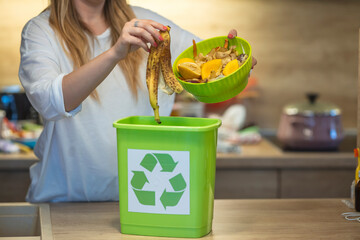
  5. Start Composting: Transform your kitchen scraps and yard waste into nutrient-rich compost. Composting not only reduces landfill waste but also enriches your garden soil. Explore different composting methods, such as backyard or vermicomposting (using worms).
  6. Shop Locally and Seasonally: Support local farmers and reduce the environmental impact of your food choices by purchasing fresh produce from local farmers’ markets. Choose seasonal fruits and vegetables to minimize the carbon footprint associated with long-distance transportation.
  7. Embrace Meatless Meals: Reduce meat consumption by incorporating more plant-based meals into your diet. Explore delicious vegetarian and vegan recipes that are not only environmentally friendly but also provide various health benefits.
  8. Conserve Water: Be mindful of your water usage by fixing leaks promptly, taking shorter showers, and installing water-efficient fixtures. Collect rainwater for your plants and consider xeriscaping techniques to create a water-efficient garden.
  9. Emphasize Quality Over Quantity in Your Wardrobe: Transition to a sustainable fashion mindset by opting for high-quality, timeless pieces rather than fast fashion trends. Embrace secondhand shopping, clothing swaps, and ethical fashion brands that prioritize fair labor practices and sustainable materials.
  10. Educate and Inspire Others: Share your knowledge and experiences with friends, family, and community. Engage in conversations about sustainable living, organize workshops or events, and inspire others to join you on the path toward a greener future.

Final Thoughts

Embarking on a sustainable living journey is a powerful way to contribute to the well-being of the planet and future generations. By implementing these 10 easy steps, you’ll gradually integrate sustainable practices into your lifestyle, creating a positive impact while cultivating a more fulfilling and eco-conscious life. Stay tuned for more insightful articles, tips, and inspiration on GreenSoulVibes as we continue this sustainable journey together!

Remember, every small action counts. Let’s embrace sustainable living and make a difference, one step at a time!

Raising Eco-Warriors: Nurturing Sustainable Values in Kids

Nurturing sustainable values in kids is the key to a greener future. Discover practical tips and insights on raising eco-warriors in our latest blog post. Let’s empower our children to make a positive impact on the planet and embrace sustainability from an early age. Join us on this journey towards a brighter future. #RaisingEcoWarriors #SustainableParenting

By Kim Patrick

Sustainable Parenting

As parents, we play a crucial role in shaping future generations. In this post, we explore the importance of raising kids with sustainability in mind, equipping them with the knowledge, values, and skills to become stewards of the planet. Join us as we explore practical tips and inspiring ideas to instill eco-consciousness in our children and empower them to make a positive impact.

  1. Cultivating Nature Connection: Encourage a deep bond with nature by spending time outdoors with your children. Take them on nature walks, explore local parks, or plan family camping trips. Teach them about the wonders of the natural world, the importance of biodiversity, and the need to protect our ecosystems.
  2. Sustainable Practices at Home: Involve your kids in sustainable practices at home. Teach them the value of conserving resources by practicing energy-saving habits, reducing water consumption, and recycling. Show them how to compost food scraps and grow their own fruits and vegetables, fostering an appreciation for sustainable food systems.
  3. Conscious Consumption: Educate your children about the impact of their choices as consumers. Encourage them to make thoughtful decisions by opting for eco-friendly products, supporting local and sustainable brands, and practicing minimalism. Teach them about reusing, repurposing, and donating items instead of contributing to waste.
  4. Empowering Environmental Education: Make learning about the environment exciting and engaging. Explore books, documentaries, and online resources that offer age-appropriate information on climate change, wildlife conservation, and sustainable practices. Encourage their curiosity, answer their questions, and inspire them to become lifelong learners.
  5. Green Crafts and Activities: Fuel their creativity while instilling sustainability values through eco-friendly crafts and activities. Use recycled materials for art projects, create nature-inspired crafts, or embark on DIY upcycling ventures together. These hands-on experiences teach children to repurpose and value resources while having fun.
  6. Encouraging Environmental Advocacy: Empower your kids to become environmental advocates. Teach them the importance of speaking up for the planet and inspire them to take small actions that create big change. Encourage them to participate in community clean-ups, support environmental campaigns, or even start projects to raise awareness.
  7. Leading by Example: Children learn by observing, so be a sustainable role model. Show them how to live consciously through your actions, whether embracing a plant-based diet, reducing your carbon footprint, or engaging in activism. Your example will inspire and motivate them to follow suit.

Final Thoughts

By raising our kids with sustainability in mind, we equip them with the tools to become compassionate and responsible global citizens. Let’s instill in them a deep love for nature, a sense of responsibility towards the planet, and the belief that their actions can make a difference. Together, we can raise a generation of eco-warriors who will protect and preserve our beautiful Earth for future generations.

Remember, the journey toward sustainability starts at home, guided by love, knowledge, and a shared commitment to creating a better world.

The Power of Sustainable Change: Combatting Acid Rain for a Cleaner Future

By Kim Patrick

Protecting Our Skies: Taking a Stand Against Acid Rain.

The issue of acid rain is a serious environmental concern, as it negatively affects our ecosystems, communities, and public health. This problem arises when pollutants, mainly sulfur dioxide and nitrogen oxides, are released into the atmosphere and react with water, oxygen, and other chemicals, resulting in acidic compounds. Acidic precipitation can harm vegetation, aquatic life, infrastructure, and human health. However, adopting sustainable practices can help reduce the impact of acid rain and lead to a better and healthier future. This post will explore how embracing sustainable practices can mitigate acid rain.

Reducing Emissions

One of the most effective ways to combat acid rain is by reducing the emissions of sulfur dioxide and nitrogen oxides. Sustainable change encourages the adoption of clean energy sources, such as solar and wind power, which significantly reduce the release of harmful pollutants into the atmosphere. By transitioning away from fossil fuels and embracing renewable energy alternatives, we can substantially progress in reducing acid rain formation.

Promoting Sustainable Agriculture

The utilization of fertilizers and pesticides in agricultural practices has been known to release nitrogen compounds that contribute to the occurrence of acid rain. Nonetheless, farming methods promoting sustainability, such as organic farming and precision nutrient management, can aid in reducing these emissions. If we adopt these approaches, we can protect our natural resources and reduce the pollutants that cause acid rain. 

Advocating for Policy Changes

The sustainable change goes beyond individual actions; it also involves advocating for policy changes that promote environmental protection. We can create a regulatory framework that encourages cleaner technologies and stricter pollution controls by supporting legislation to reduce emissions from power plants, industrial facilities, and transportation sectors. Through collective action, we can influence policymakers to prioritize sustainable practices that combat acid rain.

Raising Awareness and Education

Education and awareness play a crucial role in driving sustainable change. Educating ourselves and others about the causes and consequences of acid rain can inspire more individuals to take action. Sharing information through social media, organizing workshops, and participating in community events can help spread the message about the importance of sustainable practices in reducing acid rain and its environmental impacts.

Unleashing the Power of Sustainable Change: A Brighter Future Free from Acid Rain.

Final Thoughts

Sustainable change is beneficial for our planet and combating the damaging effects of acid rain. By reducing emissions, promoting sustainable agriculture, advocating for policy changes, and raising awareness, we can make a meaningful difference in mitigating acid rain and creating a cleaner, healthier future for future generations. Let’s embrace sustainable practices, empower others with knowledge, and be catalysts for change. Together, we can protect our environment, preserve ecosystems, and ensure a sustainable and acid-rain-free world.