
DIY Guide: Build Your Own Homemade Compost System for Sustainable Gardening

By Kim Patrick

Welcome to our step-by-step guide on creating your very own homemade compost system! Composting is a fantastic way to turn your kitchen scraps and yard waste into nutrient-rich soil for your garden. By building your compost system, you reduce waste and promote sustainable gardening practices. Let’s get our hands dirty and embark on this rewarding journey of composting!
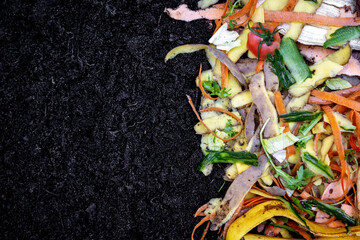
Section 1: Materials Needed

To begin, gather the following materials

  • Compost bin or container: Choose a size that suits your available space and composting needs. It can be a purchased bin or repurposed container like a wooden crate or large plastic tub.
  • Carbon-rich materials (brown materials): Collect dry leaves, straw, shredded paper, cardboard, wood chips, or sawdust. These provide the carbon element in the compost.
  • Nitrogen-rich materials (green materials): Save vegetable scraps, fruit peels, coffee grounds, tea leaves, grass clippings, or plant trimmings. These contribute nitrogen to the compost.
  • Water: Ensure access to a water source for maintaining proper moisture levels.
  • Aeration tool: Use a pitchfork, garden fork, or compost-turning tool to aerate the compost pile.
  • Compost thermometer (optional): A thermometer helps monitor the internal temperature of the compost.

Section 2: Setting Up Your Compost Bin

  1. Choose a suitable location: Find a spot in your yard with partial sunlight and proper drainage.
  2. Prepare the base: Lay a layer of twigs or small branches at the bottom of your compost bin. This base creates airflow and helps prevent the pile from becoming waterlogged.
  3. Layering the materials: Alternate between carbon-rich and nitrogen-rich materials, creating a balanced ratio of roughly three parts carbon to 1 part nitrogen. Aim for layers that are around 6-8 inches thick.
  4. Maintaining moisture: Keep the compost moist but not soaked. Sprinkle water as needed to achieve a watery sponge-like consistency.
  5. Aeration: Turn the compost regularly to introduce oxygen and facilitate decomposition. Aim to turn the pile every 1-2 weeks, mixing the outer materials into the center.

Section 3: What to Compost

Include the following in your compost pile

  • Carbon-rich materials: Dry leaves, straw, shredded paper, cardboard, wood chips, sawdust, or dried garden waste.
  • Nitrogen-rich materials: Vegetable scraps, fruit peels, coffee grounds, tea leaves, grass clippings, or plant trimmings.
    Avoid composting meat, dairy products, oily or greasy items, diseased plants, weeds with mature seeds, and pet waste.

Section 4: Troubleshooting and Maintenance

  • Monitoring: Regularly check the temperature and moisture level of your compost. Aim for a temperature range of 120-160°F (49-71°C). Adjust moisture and aeration as necessary.
  • Troubleshooting: Address any issues such as foul odors or slow decomposition. Ensure the carbon-to-nitrogen ratio is balanced and the pile is adequately aerated and moistened.
  • Harvesting the compost: After several months, your compost will transform into dark, crumbly humus. Harvest it by sifting out any remaining materials. Use the finished compost to enrich your garden soil.
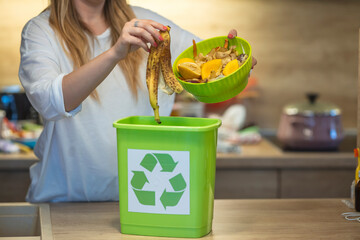
My Final Thoughts
Congratulations on building your own homemade compost system! By composting at home, you reduce waste, promote sustainable gardening practices, and nourish your plants with nutrient-rich soil. Enjoy the rewards of this eco-friendly endeavor and watch your garden flourish. Remember, sustainable living starts with small actions like composting. Together, we can make a positive impact on our environment and promote change!
10 Easy Ways to Kickstart Your Sustainable Living Journey

Discover 10 easy ways to kickstart your sustainable living journey and make a positive impact on the planet. From small changes in daily habits to adopting eco-friendly practices, this blog post provides practical tips to help you embrace a more sustainable lifestyle. Start today and join the movement towards a greener, more eco-conscious future.

By Kim Patrick

Welcome again to the GreenSoulVibes blog, your ultimate destination for embracing a sustainable lifestyle! We are thrilled to share with you 10 actionable steps that will ignite your eco-conscious journey. Whether you are a seasoned sustainability enthusiast or just starting out, these practical tips will empower you to make a positive impact on the planet while enhancing your own well-being. Get ready to venture on a transformative path towards a greener future!

Cultivate a Greener Future: Embrace Sustainable Living and Inspire Positive Change
  1. Embrace Conscious Consumption: Learn to make mindful choices by researching and supporting ethical, eco-friendly brands. Prioritize quality over quantity and opt for products that align with your sustainability and social responsibility values.
  2. Reduce Single-Use Plastics: Take small but impactful steps to reduce plastic consumption. Switch to reusable alternatives such as stainless steel water bottles, cloth shopping bags, and beeswax wraps instead of plastic cling film.
  3. Practice Energy Efficiency: Conserve energy by adopting simple habits like turning off lights when not in use, using energy-efficient appliances, and maximizing natural light. Unplug electronics when not in use to minimize phantom energy consumption.
  4. Opt for Sustainable Transportation: Reduce your carbon footprint by utilizing greener transportation options. Consider walking, biking, or using public transportation whenever possible. Carpooling or investing in an electric vehicle is also an eco-friendly choice.
  5. Start Composting: Transform your kitchen scraps and yard waste into nutrient-rich compost. Composting not only reduces landfill waste but also enriches your garden soil. Explore different composting methods, such as backyard or vermicomposting (using worms).
  6. Shop Locally and Seasonally: Support local farmers and reduce the environmental impact of your food choices by purchasing fresh produce from local farmers’ markets. Choose seasonal fruits and vegetables to minimize the carbon footprint associated with long-distance transportation.
  7. Embrace Meatless Meals: Reduce meat consumption by incorporating more plant-based meals into your diet. Explore delicious vegetarian and vegan recipes that are not only environmentally friendly but also provide various health benefits.
  8. Conserve Water: Be mindful of your water usage by fixing leaks promptly, taking shorter showers, and installing water-efficient fixtures. Collect rainwater for your plants and consider xeriscaping techniques to create a water-efficient garden.
  9. Emphasize Quality Over Quantity in Your Wardrobe: Transition to a sustainable fashion mindset by opting for high-quality, timeless pieces rather than fast fashion trends. Embrace secondhand shopping, clothing swaps, and ethical fashion brands that prioritize fair labor practices and sustainable materials.
  10. Educate and Inspire Others: Share your knowledge and experiences with friends, family, and community. Engage in conversations about sustainable living, organize workshops or events, and inspire others to join you on the path toward a greener future.

Final Thoughts

Embarking on a sustainable living journey is a powerful way to contribute to the well-being of the planet and future generations. By implementing these 10 easy steps, you’ll gradually integrate sustainable practices into your lifestyle, creating a positive impact while cultivating a more fulfilling and eco-conscious life. Stay tuned for more insightful articles, tips, and inspiration on GreenSoulVibes as we continue this sustainable journey together!

Remember, every small action counts. Let’s embrace sustainable living and make a difference, one step at a time!